
A well-run bidding process drives down costs on capital and construction projects while reducing the risk of change orders and delays. After seeing billions of dollars in project value run through CapEx management platforms, clear patterns emerge around what works and where teams commonly falter.
Here are the most impactful bid management practices to optimize your process:
1. Keep Shared Documents Consistent
Every bidder must receive identical information to understand the job scope. If you're not using a centralized bidding platform that tracks document access, assign someone to confirm each bidder has the latest document package. Version control issues are a leading cause of bid discrepancies.
2. Send Deadline Reminders
Send reminders a few days before the due date and again on the day of. This seems obvious, but it's one of those small tasks that gets forgotten and can derail your timeline.
3. Use Site Walkthroughs to Evaluate Bidders
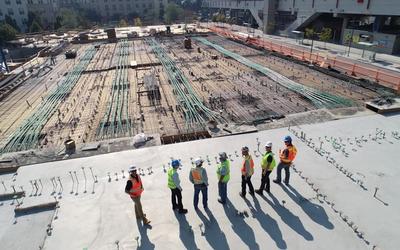
The walkthrough isn't just for bidders to evaluate logistics. It's your chance to assess their preparation. Contractors who ask specific, thoughtful questions clearly reviewed the plans beforehand. Those are the vendors you want to work with.
4. Require Electronic RFI Submissions
Have bidders submit RFIs electronically to both the project manager and architect. This ensures timely responses and creates a paper trail. Share every Q&A with all bidders. Some contractors intentionally avoid asking questions about missing scope, hoping to submit change orders later.
5. Distribute Addendums Immediately
When architects or engineers issue scope updates, distribute them to all bidders right away. Delays in sharing addendums lead to delayed or inaccurate bids.
6. Watch for Lumped Trade Items
Some bidders break out line items (like separating fire alarm from electrical) while others lump them together. Note any adjustments you make for apples-to-apples comparison, and keep the original bid for reference.
7. Push to Replace Allowances with Fixed Prices
Allowances indicate the bidder doesn't have firm pricing yet. Push vendors to replace allowances with true bid prices as quickly as possible. Fixed pricing is essential for accurate vendor comparison.
8. Include Alternates in Your Bid Form
The best time to negotiate is during bidding, not after award. If you might want to add something to the scope, include it as an alternate. Even if you don't move forward with it, you'll have a committed price if you decide to add it later.
9. Right-Size Your Bid Group
More bidders isn't always better. Contractors invest more estimating effort when they have a realistic chance of winning. A focused group of 3-6 qualified bidders typically yields more detailed, competitive bids than casting a wide net.
10. Notify Losing Bidders
Don't ghost vendors who didn't win. Thank them for their effort and keep them informed. Vendors who consistently lose without feedback will stop giving you their best effort or decline future invitations altogether.
11. Consider Package Bidding
If you have multiple similar projects happening simultaneously, bundle them. A restroom renovation and office buildout on the same floor are good candidates. Create separate bid forms for detailed analysis, but expect volume discounts for awarding the full package.
12. Use Purpose-Built Software
Spreadsheets can't keep up with the collaborative nature of modern bid management. CapEx platforms automate manual tasks like bid leveling while providing insights into historical pricing and vendor performance.
Implementing these practices into your bidding process leads to more predictable, scalable results and helps real estate teams control costs across their portfolios.