Article
7
min
Article
10 Best Ways to Reduce Construction Cost Overruns
Proven strategies to prevent construction cost overruns on capital projects. From better estimation to change order control, keep your projects on budget.
January 2026
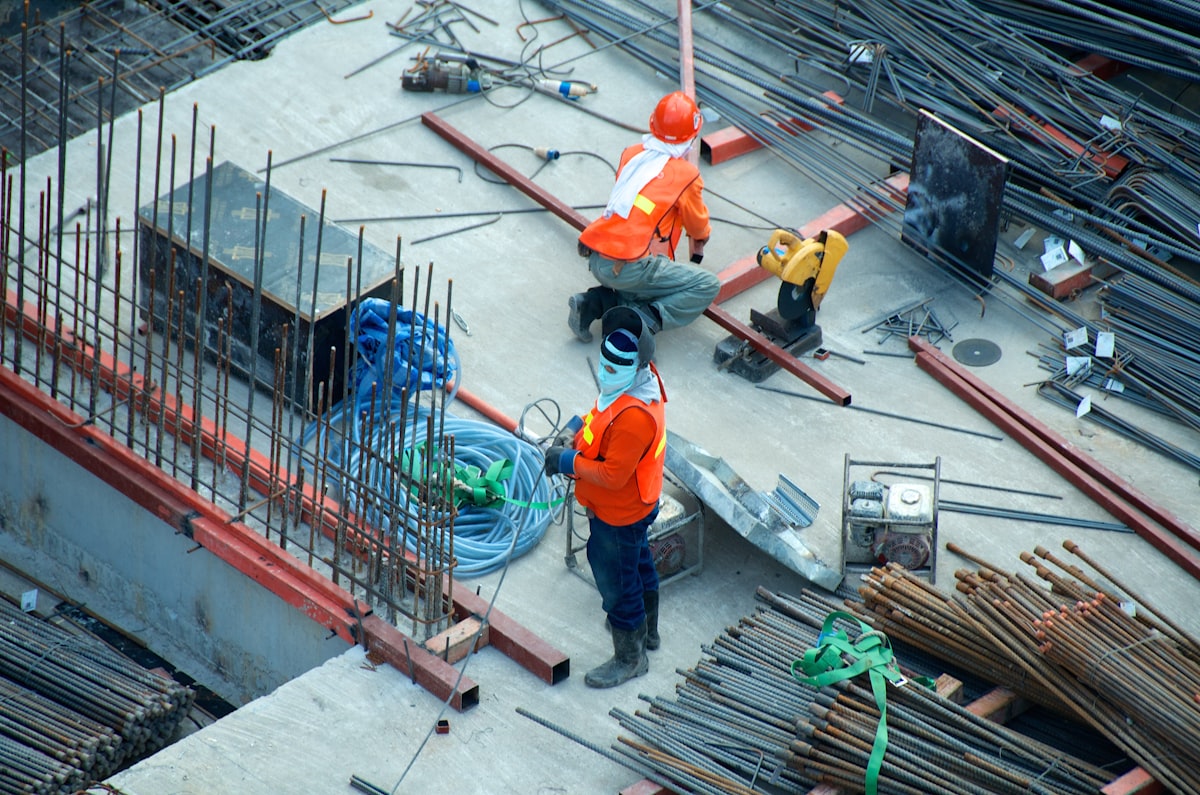
Cost overruns plague construction and renovation projects. Studies consistently show that most projects exceed their budgets—often by 20% or more. But overruns aren't inevitable. Organizations that implement disciplined cost control practices achieve significantly better outcomes. Here are ten proven ways to keep your capital projects on budget.
Before addressing solutions, understand the common causes:
Most overruns stem from preventable issues in planning and scope definition—not unforeseeable events.
The most cost-effective money you'll spend is on upfront scope definition. Vague scopes create ambiguity that contractors interpret in their favor—and that you pay for through change orders.
How to implement:
Impact: Well-defined scopes reduce change orders by 50% or more compared to vague specifications.
Optimistic estimates don't save money—they just delay the bad news. Build estimates that reflect actual expected costs.
How to implement:
Impact: Realistic estimates with appropriate contingency create budgets that can actually be achieved.
Scope creep—gradual expansion of project requirements—is the silent budget killer. Small additions feel minor individually but compound into major cost increases.
How to implement:
Impact: Organizations with strong change control processes see 40-60% lower change order rates.
When changes are necessary, manage them to minimize cost impact.
How to implement:
Impact: Active change order management reduces average change order costs by 15-25%.
The lowest bid isn't the lowest cost if that contractor generates change orders, causes delays, or delivers poor quality requiring rework.
How to implement:
Impact: Qualified contractors with good track records deliver more predictable costs despite sometimes higher bids.
Unforeseen conditions are a leading cause of overruns. Many "unforeseen" conditions could have been discovered with proper investigation.
How to implement:
Impact: Pre-construction investigation typically costs 1-2% of project budget but can prevent 10-20% overruns from surprises.
Projects without active oversight drift off budget. Regular monitoring catches problems while there's still time to correct course.
How to implement:
Impact: Projects with active oversight catch and correct issues 4-6 weeks earlier than those with passive monitoring.
Contingency isn't a slush fund—it's a risk management tool. Use it intentionally for genuine unforeseen issues, not scope additions.
How to implement:
Impact: Strategic contingency management prevents "budget available = budget spent" behavior.
Contract structure affects contractor behavior. Structure contracts to encourage cost control, not cost growth.
How to implement:
Impact: Contracts aligned with owner goals produce better outcomes than contracts that reward cost growth.
Organizations that don't learn from past projects repeat the same overrun patterns indefinitely.
How to implement:
Impact: Organizations with systematic learning improve budget accuracy by 10-15% over 2-3 years.
Setting contingency too low: 5% contingency sounds disciplined but sets projects up for failure. Renovation projects need 10-15% minimum.
Not tracking costs in real-time: Monthly cost reviews discover problems too late. Weekly tracking enables course correction.
Treating all change orders equally: Some changes are legitimate (unforeseen conditions). Others represent scope creep. Different responses are appropriate.
Focusing only on hard costs: Soft costs (design, permitting, project management) often exceed estimates and get overlooked in tracking.
Accepting "lowest bid wins" procurement: Cheapest bidders often aren't cheapest projects. Total cost includes change orders, delays, and quality issues.
What's a reasonable contingency amount for renovation projects?
10-15% of hard costs for standard renovations. 15-20% for projects with unknown conditions, older buildings, or complex scope. 20%+ for hazardous material abatement or historic renovations.
How do you handle owner-requested changes that increase costs?
Fund owner-requested additions separately from contingency. Require formal approval with cost and schedule impact before proceeding. Track additions against original scope to maintain visibility into true cost growth.
What's the best contract type for cost control?
GMP (Guaranteed Maximum Price) with shared savings aligns contractor incentives with budget control. The contractor has upside from coming in under budget and downside from overruns. Cost-plus contracts without caps remove contractor incentive to control costs.
How do you prevent contractors from inflating change order costs?
Require detailed cost breakdowns matching contract rates. Get multiple quotes for significant changes. Include audit rights in contracts. Build relationships with contractors who value long-term work over short-term extraction.
.png)