Article
7
min
Article
Unit Turn Management for Multifamily Operators
Unit turn management is the process of renovating vacant apartments between residents. Learn the operational framework for reducing turn time and controlling costs.
January 2026

Unit turn management is the operational process of renovating vacant apartment units between residents. It encompasses move-out inspection, scope definition, vendor coordination, quality verification, and move-in readiness. Effective turn management directly impacts vacancy loss, renovation costs, and resident satisfaction.
Every day a unit sits vacant costs money. For a $1,500/month unit, each day of vacancy represents roughly $50 in lost revenue. A 10-day delay across 100 turns per year equals $50,000 in unnecessary vacancy loss.
The challenge is that turns involve multiple interdependent activities. Maintenance must complete repairs. Cleaning must follow maintenance. Paint must follow cleaning. Inspections must verify quality before marketing can list the unit. When any step delays, the entire timeline extends.
Most operators lack visibility into where turns actually stand. Is unit 204 waiting on parts, waiting on a vendor, or waiting on inspection? Without real-time status, managers can't intervene early. They discover delays when the promised move-in date arrives and the unit isn't ready.
Unit turns typically flow through a combination of property management software, maintenance work orders, and informal coordination.
The result is inconsistent turn times, surprise delays, and difficulty identifying systemic bottlenecks. Operators know their average turn time but can't easily see why some turns take 5 days and others take 15.
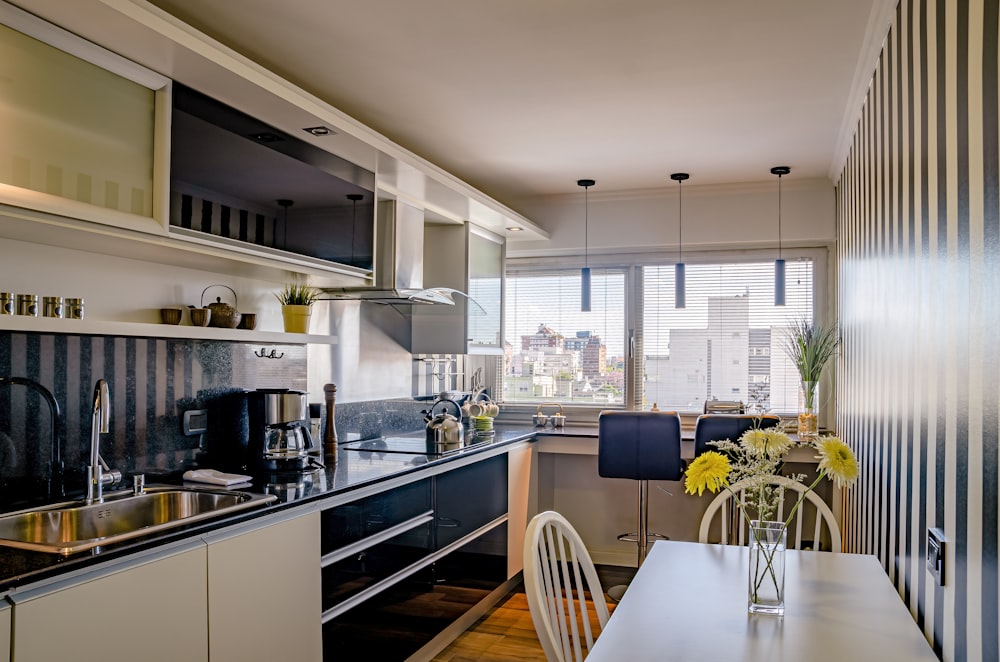
Mature turn management treats each turn as a project with defined phases, clear handoffs, and measurable milestones.
Within 24 hours of move-out, complete a standardized inspection that documents unit condition and identifies all required work. Use consistent categories: cleaning, paint, flooring, appliances, fixtures, and damage repairs.
Standardization matters. When inspectors use different criteria, scope varies unpredictably. Define what "paint needed" means—full repaint, touch-up, or accent walls only. Remove ambiguity from the assessment process.
Convert the assessment into a defined scope of work with estimated labor and materials. Assign the turn to qualified vendors or in-house staff based on scope complexity and current capacity.
Build the schedule backward from the target move-in date. If the unit is pre-leased for the 15th and today is the 5th, you have 10 days. Allocate time to each phase and identify the critical path.
Track progress against milestones, not just completion. A turn with four phases should have four checkpoints. When Phase 2 runs late, you know on Day 3, not Day 10.
Daily status updates—even a simple "in progress" or "complete" flag—create visibility that enables intervention. The goal is to surface problems while there's still time to fix them.
Before marketing the unit, complete a move-in ready inspection against a standardized checklist. Every unit meets the same standard. Residents don't discover issues at move-in.
Document the completed turn with photos. This creates accountability, supports charge-back disputes, and builds a historical record of unit condition over time.
| Metric | Definition | Target Range |
|---|---|---|
| Average turn time | Days from move-out to move-in ready | 5-7 days for standard turns |
| Turn cost per unit | Total labor and materials per turn | Varies by scope; track trends |
| On-time completion rate | Turns completed by target date | Above 90% |
| Punch list rate | Turns requiring rework after inspection | Below 10% |
Not differentiating turn types: A basic clean-and-paint turn is different from a full renovation. Treating them the same obscures performance data and sets wrong expectations.
Starting work before scope is defined: Sending maintenance in without a clear scope leads to missed items, scope creep, and rework. Invest time upfront to define the full scope.
Scheduling without capacity planning: Promising move-in dates without checking vendor and staff availability creates conflicts. Turn scheduling must account for current workload.
Skipping quality inspection: Pressure to lease quickly tempts teams to skip final inspection. This shifts quality problems to move-in day, damaging resident experience and creating emergency work orders.
High-performing operators treat turn management as a core operational competency with dedicated process and measurement.
What is a good average unit turn time?
For standard turns (clean, paint, minor repairs), 5-7 days is a reasonable target. Full renovations with flooring, appliances, or fixture replacement may take 10-14 days. The key is consistency—reducing variability matters more than hitting an arbitrary benchmark.
How do you calculate the cost of vacancy during a turn?
Divide monthly rent by 30 to get daily rent. A $1,500/month unit costs approximately $50/day in lost rent. Multiply daily cost by turn time to calculate vacancy loss. This helps justify investment in faster turn processes.
Should unit turns be done by in-house staff or vendors?
Most operators use a mix. In-house staff handle high-volume, standardized work (cleaning, touch-up paint). Vendors handle specialized trades (plumbing, electrical, HVAC) and surge capacity during heavy turn seasons. The right mix depends on volume, complexity, and local labor markets.
How do you reduce unit turn time without sacrificing quality?
Focus on three areas: faster scope definition (inspect within 24 hours), better coordination (parallel activities where possible), and proactive parts/materials staging. Cutting corners on quality creates callbacks that ultimately extend total cycle time.
Unit Turn Process Checklist:
Key Takeaways:
.png)